.png)
← Back
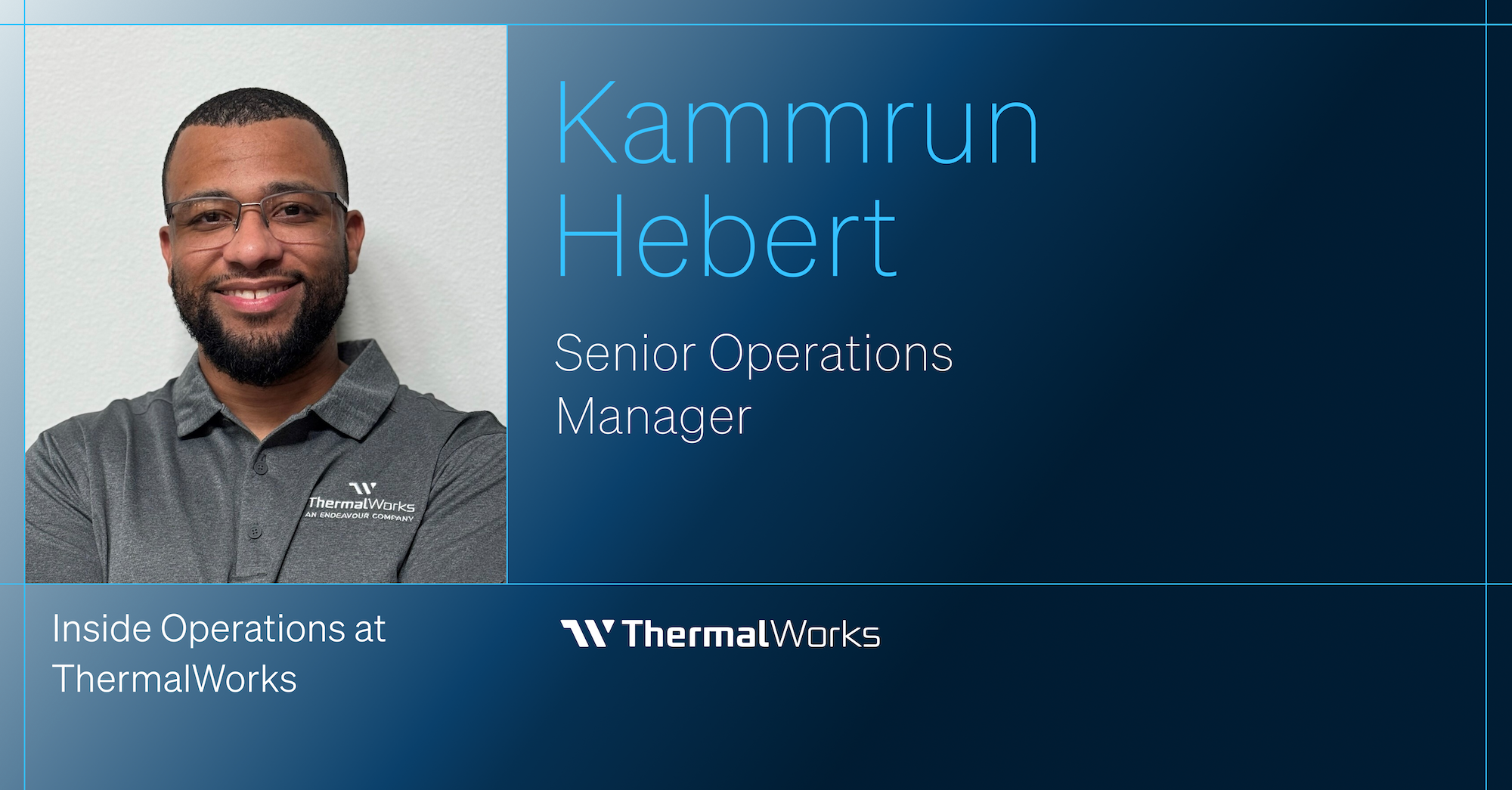
Employee Spotlight Q&A: Kammrun Hebert
Blog
June 11, 2026
Keeping Critical Infrastructure Moving
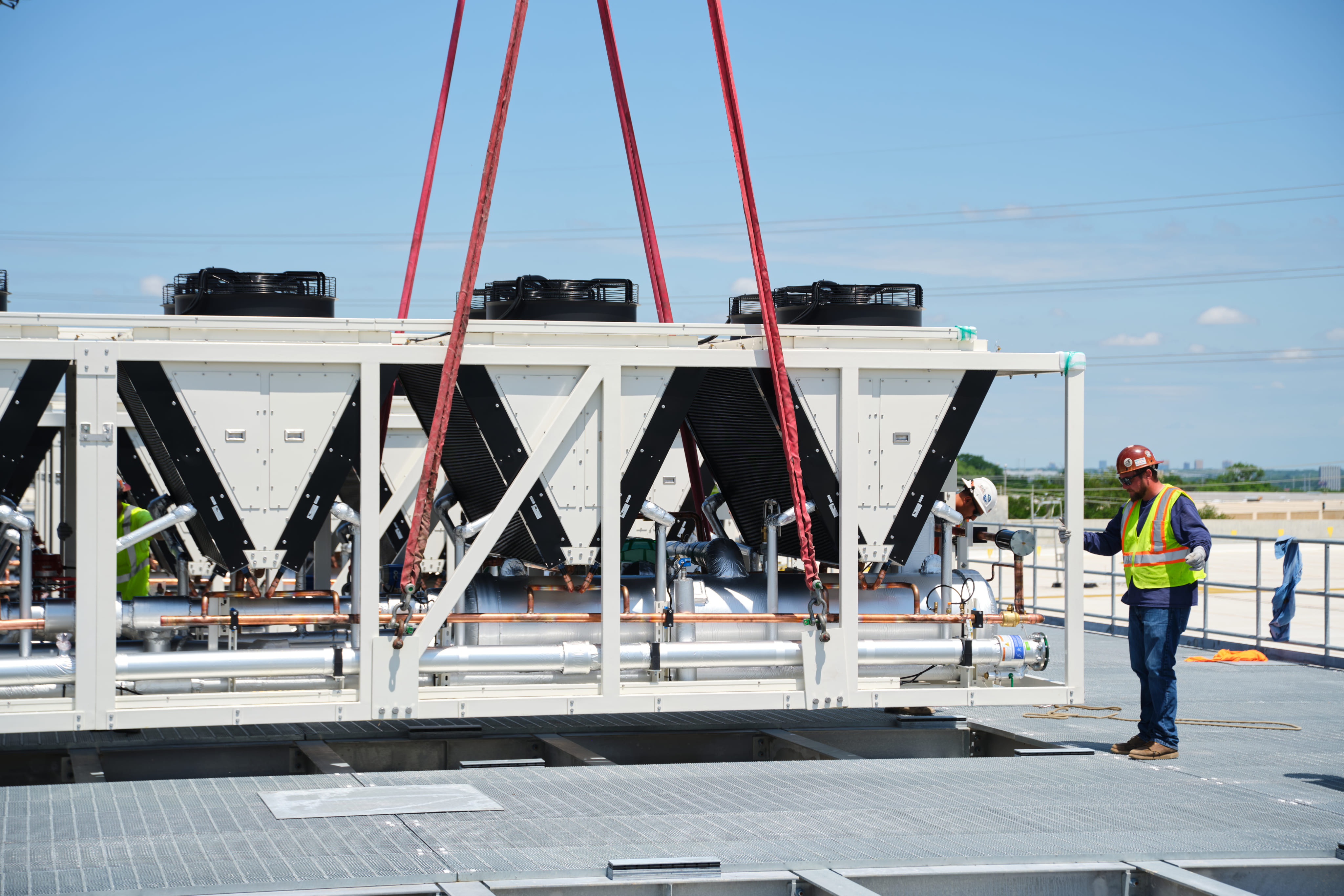
From global coordination to real-time problem solving, Kammrun Hebert, Site Operations Manager for ThermalWorks, shares how operational alignment, reliability and waterless cooling innovation come together to support high-performance data center infrastructure at scale.
What does a typical day look like as a Site Operations Manager at ThermalWorks?
As a Senior Operations Manager at ThermalWorks, my day is centered around coordinating across multiple teams to keep projects and systems moving efficiently. Since we deliver our products to data centers across North America and Europe, I work closely with R&D, Service and our Project managers to align priorities, manage resources and ensure timelines stay on track. Although I typically work within a remote environment, the role is very hands-on in terms of decision-making, communication and keeping operations running smoothly across regions.
What drew you to site operations, and how did your background prepare you for this position?
I was drawn to operations because it’s where strategy turns into execution. My background ranges from technical support to quality control to managing day-to-day operations. These varying experiences gave me a strong foundation in troubleshooting, collaborating with a team and working under pressure. As I gained experience, I naturally moved toward roles where I could take ownership of outcomes, improve processes and work cross-functionally, which made my position at ThermalWorks a strong fit, especially in a high-growth environment. I’ve also been able to grow into this role as ThermalWorks expanded as a company.
You mentioned taking ownership of outcomes. What does that accountability look like in practice for you?
I’m responsible for making sure the right pieces are in place, from parts procurement to equipment delivery coordination, all to keep critical systems running without interruption. In practice, that means staying ahead of potential issues, aligning teams quickly when something comes up and making decisions that protect uptime and performance across multiple sites.
Can you share an example of a challenge you’ve faced on-site and how you approached solving it?
One challenge that stands out is managing time-sensitive parts and navigating the ever-changing landscape of global supply chain. With demand increasing and logistical challenges arising every day across the world, there are moments where lead times and availability could have created delays. In those instances, I worked closely with vendors and internal teams to prioritize critical needs and meet delivery timelines. By staying proactive and organized, we are always able to maintain continuity and avoid disruptions despite the increased volume.
How do you approach ensuring reliability and uptime in a high-demand environment?
In a high-demand environment like data centers, reliability comes down to preparation and coordination. I focus on making sure we’re always ahead on all things supply chain, aligned on production schedules and communicating effectively with our service teams. A big part of maintaining uptime is reducing friction and making sure everyone has what they need when they need it. That helps us respond quickly and keep systems running without interruption.
ThermalWorks systems are highly advanced; what’s something about the technology that stands out when you’re working with it day-to-day?
What stands out most is how innovative our waterless cooling technology is, especially given how critical thermal management is in data centers. Seeing how efficiently these systems operate without traditional water-based methods really highlights the level of engineering behind them. It’s rewarding to be part of a solution that’s not only high-performing but also forward-thinking in terms of sustainability and scalability.
Site operations require close coordination; how do you work across teams to keep everything aligned and running smoothly?
Our operations team acts as the central hub of the company. We’re constantly coordinating across departments to make sure everything stays running smoothly. Collaboratively, we prioritize clear, consistent communication and making sure expectations are understood across teams. When everyone is aligned, execution becomes much smoother, especially at the pace we’re operating. The team I work with daily takes pride in consistently performing at the highest possible level.
How does your role contribute to the bigger picture of what ThermalWorks is building?
As the Senior Operations Manager, I play a direct role in enabling the company’s growth. With how quickly ThermalWorks has expanded over the past few years, having strong operational coordination is critical to scaling successfully. The work I do ensures projects stay on track, systems remain reliable and customers get the performance they expect. It’s a key part of turning growth into sustainable success.
What do you think makes ThermalWorks different from other companies?
In a word? Culture. What really stands out is that even with the rapid growth, we have been able to maintain strong collaboration within our department and within the entire company. Even as the company scales, there’s still a high level of alignment across teams and a shared focus on execution. The technology itself is also a differentiator, and being part of a company delivering innovative, waterless cooling solutions puts us in a unique position in the data center space.
What’s one thing people might not expect about working in site operations?
One thing people might not expect is how much of operations is about anticipating and preventing issues, not just reacting to them. A lot of the work happens behind the scenes to keep everything running smoothly.
What do you do when you're not wearing your ThermalWorks operations hat?
Outside of work, you can find me camping, riding ATVs, or at one of the many family events we have throughout the year. I come from a very large family, but we are very close knit; kind of like what ThermalWorks is becoming.